
Why Is It So Hard To Loose Weight After 30? And How Can A Feijoa Help?
If you’ve noticed that maintaining your weight, or losing weight, feels harder after 30, you are not alone. For many women, this stage of life brings a new set of challenges: shifting hormones, stubborn abdominal weight, lower energy, disrupted sleep, changing appetite, and a metabolism that no longer seems to respond the way it used to.
Here’s the good news. Healthy weight management is about so much more than eating less. It starts with supporting the systems that influence how your body uses energy, handles blood sugar, responds to insulin, stores fat and recognises fullness. This is where metabolic health comes in.
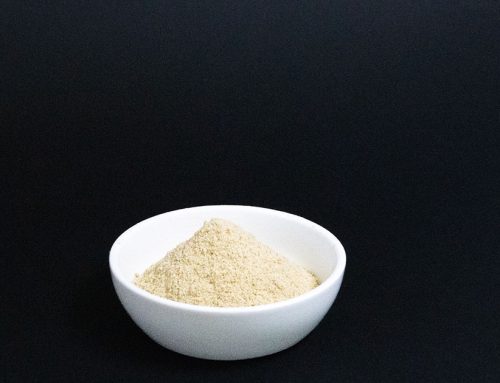
At Anagenix, we believe nature has already created some pretty remarkable tools for supporting health and wellbeing. Feiolix® is a whole New Zealand feijoa powder, made from the feijoa fruit, and it has been shown to support several of the pathways that matter most for metabolism: blood glucose management, insulin sensitivity, natural GLP-1 signalling, appetite regulation and healthy ageing.
So What Actually Is Metabolism?
Metabolism is every physiological process happening in your body that keeps you alive and functioning. It’s how your body converts food into energy, uses nutrients, repairs tissues, maintains body temperature, and stores or releases energy when needed.
But metabolism isn’t just one thing. It’s a complex network involving:
- Blood sugar regulation: Your body breaks down the food you eat into glucose (blood sugar) which is then used for energy, but how your body manages this process is super important.
- Insulin sensitivity: how effectively your cells respond to insulin (which is released to uptake all that glucose you just ate!)
- Energy production: how efficiently your cells turn that glucose into usable energy.
- Fat storage and use: how your body turns the left over glucose into fat and how it uses it.
- Appetite and satiety: how your body tells you that you are hungry or when you are full.
- Gut health: how your bacteria in your gut (microbiome) influences digestion, hormones and metabolism.
- Hormones: including estrogen, insulin and GLP-1.
Only when each of these systems work together, can you maintain steady energy, a balanced appetite and healthy body composition. And unfortunately, when they get disrupted (which can be from a multitude of reasons) weight gain and weight-loss resistance become far more common.
And What Happens If Your Metabolism Is Out Of Whack? The Five Parts Of Metabolic Health
“Metabolic syndrome” is the term used to describe a cluster of health markers that tend to show up together:
| Metabolic health area | Why it matters |
|---|---|
| Abdominal fat | Visceral fat around the organs is linked with insulin resistance and cardiometabolic risk |
| Blood glucose | Healthy glucose management supports energy levels, appetite and long-term metabolic health |
| Insulin sensitivity | Helps your body use glucose effectively rather than leaving it in the bloodstream |
| Blood lipids | Triglycerides, LDL and HDL cholesterol are important markers of cardiovascular health |
| Blood pressure | Elevated blood pressure often shows up alongside other metabolic health concerns |
All five of these health areas regulate and impact weight. And this is exactly why a multi-pathway approach matters so much. Weight management isn’t just about appetite. It’s about blood sugar, insulin, gut health, inflammation, fat metabolism and energy production, all at once.
Why Does Weight Loss Feel Harder After 30?
A common idiom is the older we get, the more our metabolism “slows” down. But the reality is, there’s no magic age where metabolism suddenly switches off. But just because our metabolism isn’t switching off doesn’t mean your body isn’t changing. The older you get the more things are usually going on at once:
- Busy work and family lives can make sleep, exercise and regular meals harder to prioritise.
- Stress affects appetite, cravings and blood sugar regulation.
- Insulin resistance increases.
- Muscle mass gradually declines without regular resistance exercise, and less muscle means your body can use less glucose.
- Hormonal changes (declining estrogen and testosterone) impact fat distribution, appetite, energy and insulin sensitivity.
Additionally, estrogen plays a bigger role in metabolic health than most people realise. It influences insulin sensitivity and helps regulate fat distribution, especially in skeletal muscle and fat tissue. As estrogen levels change through the menopausal transition, many women see a tendency toward more central or abdominal fat (Franklin et al., 2009; Tchernof et al., 1998).
But don’t worry, none of this means weight gain is inevitable. It just means women (especially) need nutritional strategies that support the biology of this life stage, rather than fight against it.

Insulin Resistance, The Key Piece Of The Puzzle To Managing Your Metabolism And Weight
Insulin is a hormone released by your pancreas after you eat. Its job is to move glucose from your bloodstream into your cells, where it can be used for energy. Skeletal muscle does most of the heavy lifting here, it’s one of the body’s biggest sites for glucose disposal.
The more sugary food you eat OR the more you eat past your caloric requirements, the more your cells become less responsive to insulin; and the more your body has to produce to manage the same amount of glucose. This is called insulin resistance, and it can contribute to:
- Higher blood glucose levels.
- Energy crashes and cravings.
- Greater difficulty managing appetite.
- Increased fat storage, particularly around the abdomen.
- Higher triglycerides and cholesterol.
- Long-term cardiometabolic risk, ie diabetes, strokes, heart attacks.
Unfortunately insulin resistance has been shown increase with age generally (unless you’re eating a completely healthy meal everyday). And eventually regardless of what you ate for lunch, your insulin resistance will be so high that there is just no way your body will be able to manage it’s glucose levels correctly which will lead to it being stored as fat, and voila weight gain.
Hormonal changes during menopause can influence insulin sensitivity too. Research from the Women’s Health Initiative shows that estrogen-related hormone interventions can affect diabetes risk, highlighting just how closely estrogen and glucose regulation are linked (Bonds et al., 2006; Margolis et al., 2004).
But so this is why healthy weight management after 30 shouldn’t start with the scales. If you can lower your insulin resistance and support your blood glucose balance it might be the most powerful thing you can do for your long-term metabolic health.
Where Does GLP-1 Fit In? A Quick Look At Your Body’s Natural Appetite Ally
You’ve probably heard a lot about GLP-1 lately, especially in relation to medications like Ozempic® and Wegovy®.
GLP-1, or glucagon-like peptide-1, is a hormone your body naturally produces in response to food. It’s released by specialised cells in the gut and plays an important role in regulating blood sugar, appetite and metabolism. GLP-1 helps by:
- Increasing insulin release
- Slowing gastric emptying
- Sending satiety signals to the brain
(Bodnaruc et al., 2016)
GLP-1 receptor agonist medications activate the GLP-1 receptor more strongly and for longer than your body’s own natural GLP-1, and they can be an effective option for some people under medical supervision. But healthy weight management still needs support for the underlying metabolic foundations, and hopefully as you may now understand GLP-1 is just a small part in the overall story. See our full breakdown of natural alternatives to Ozempic for more on how the two approaches compare.
Introducing Feiolix: The Fruit Solution For A Healthy Metabolism
Feiolix® is a whole fruit powder made from New Zealand feijoas, also known as Acca sellowiana, or pineapple guava to our friends in the States. Feijoa is a genuinely unique fruit, with a tropical flavour often described as a cross between guava, pineapple and pear.
But feijoa is much more than a great-tasting fruit. Feiolix contains a powerful combination of naturally occurring feijoa compounds that work together to support metabolic health:
- Abscisic acid (ABA): Increases natural GLP-1 signalling. ABA, shown in research to stimulate the release of your own native GLP-1 (Bruzzone et al., 2015).
- Polyphenols (ellagitannins and epicatechins): The plant compounds behind the colour, flavour and protective properties of many fruits and vegetables, feijoa included. Supports insulin sensitivity and lowering of inflammation: directly increases GLP-1 secretion by binding to bitter taste receptors on the L-cells, lowers insulin resistance, obesity and metabolic dysfunction.
- Xyloglucan fibre and other feijoa polysaccharides: Fibre, the gut microbiome and satiety: Feijoa fibres act as prebiotic fuel for beneficial gut bacteria. When gut bacteria ferment certain fibres, they create short-chain fatty acids such as acetate, propionate and butyrate, which can communicate with gut cells and may influence the release of satiety hormones including GLP-1 and peptide YY (PYY) (Bodnaruc et al., 2016; Cooper, 2014), increasing fullness.
Unlike isolated ingredients, Feiolix uses the whole feijoa, including its natural fibre-rich matrix, to deliver a genuinely multi-pathway approach to metabolic health.


Abscisic Acid: The Hidden Metabolic Gem In Feijoa
Abscisic acid, also known as ABA, is a natural signalling molecule found in plants. Feijoa is a particularly rich natural source of ABA. Feiolix is a whole New Zealand feijoa powder standardised to contain more than 4 mg of ABA per 100 g (Anagenix Limited, 2024).
Research shows ABA supports metabolic health in a few different ways:
- Supporting insulin-related signalling: ABA directly increases insulin secretion, promotes glucose uptake and improves insulin sensitivity (Bruzzone et al., 2012; Magnone et al., 2020).
- Supporting glucose use by muscle cells: muscle tissue is one of the body’s largest sites for glucose disposal, and research shows ABA can support glucose transport and mitochondrial respiration in muscle cells (Spinelli et al., 2021).
- Supporting your own GLP-1 release: ABA has been shown to stimulate GLP-1 secretion from intestinal L-cells directly (Bruzzone et al., 2015).
- Supporting energy metabolism: research into ABA has explored pathways related to mitochondrial activity, glucose use and thermogenesis, all relevant to metabolic health (Magnone et al., 2020; Spinelli et al., 2021).
What Do The Clinicals Show?
One of the most exciting areas of Feiolix research is blood glucose management and its support for all five areas of metabolic syndrome. Feiolix is designed to support several of these interconnected pathways at once.
In clinical research, a low dose of Feiolix was associated with significant reductions in fasting blood glucose, HOMA-IR, HbA1c, triglycerides, total cholesterol and LDL cholesterol, with the 300 mg dose showing significant improvements within just two months (Anagenix Limited, 2026).
In a 12-week randomised, double-blinded, placebo-controlled study, 39 prediabetic adults received either feijoa-derived Feiolix (1150 mg or 300 mg) or a placebo. The Feiolix groups showed significant reductions in HbA1c compared to placebo, along with significant reductions in fasting blood glucose, triglycerides, LDL and total cholesterol (Anagenix Limited, 2026).
That matters, because better blood glucose management supports so many other aspects of metabolic health. Energy levels, appetite, insulin sensitivity and healthy weight management all benefit.
Don’t Worry, This Doesn’t Have To Be Complicated
Weight management after 30 isn’t about fighting your body. It’s about understanding it.
Your metabolism is shaped by blood sugar, insulin sensitivity, hormones, appetite, muscle mass, sleep, stress and gut health, and for many women moving through their 30s and 40s, these systems shift. But there are genuinely powerful, natural ways to support them.
Feiolix brings together the benefits of whole New Zealand feijoa: abscisic acid for insulin-related and natural GLP-1 pathways, xyloglucan fibre for gut health and satiety, and polyphenols for whole-feijoa metabolic and inflammation support, all working together for blood glucose management, cardiometabolic health and healthy ageing.
Healthy weight management begins with a healthy metabolism, and sometimes, nature has already created exactly what we need.
Frequently Asked Questions
Is Feiolix a substitute for GLP-1 medications like Ozempic or Wegovy?
No. Feiolix stimulates your body’s own natural GLP-1 release through abscisic acid, dietary fibre and polyphenols, working alongside your existing biology rather than replacing prescription GLP-1 receptor agonists. Anyone currently on, or considering, GLP-1 medication should talk to their doctor first.
How much Feiolix has been studied, and at what dose?
Feiolix has been studied at a low, 300 mg daily dose and a mid, 1150 mg daily dose. Always follow the dose on your specific product’s label, since finished-product formulations vary.
Does Feiolix specifically help with menopause-related weight gain?
Feiolix targets the same insulin-sensitivity and blood-glucose pathways that shift as estrogen declines during the menopausal transition, which is why it’s positioned as a metabolic-health ingredient for women at this life stage specifically, rather than a generic weight-management product.
What’s actually in Feiolix?
Feiolix is a whole, freeze-dried New Zealand feijoa powder, seeds and skin included, standardised to contain more than 4 mg of abscisic acid per 100 g, alongside the fruit’s natural polyphenols and xyloglucan fibre.
Can I buy Feiolix directly?
Feiolix is a B2B ingredient supplied to supplement, food and beverage manufacturers, not sold directly to consumers. If you’re a brand or formulator interested in sourcing it, see Anagenix’s distributor network for how to get in touch.