
The Natural GLP-1 Trend Is a Formulation Opportunity, Not Just a Search Trend
Search interest in natural GLP-1 support has grown far faster than most ingredient categories manage in a year, and it is consumers, not formulators, driving it. For the product developers and brand teams supplying that consumer demand, the opportunity is not to chase the same phrases your finished-product customers are already ranking for. It is to have a clinically studied ingredient ready when they come looking for one. Feiolix, Anagenix’s whole feijoa fruit powder, was built on this exact mechanism before “natural Ozempic” became a search term, and the data behind it gives formulators an actual mode of action to work with, not just a trending label claim.
What’s Driving the Consumer Search Surge
Prescription GLP-1 receptor agonists such as semaglutide (Ozempic, Wegovy) have made the hormone itself a household name. Cost, access, and side effect concerns have since sent a large share of that audience looking for something they can buy without a prescription instead. Anagenix’s own consumer-facing page on this exact topic, our natural alternatives to Ozempic overview, already confirms the demand is specific: people are searching for ingredients that work on a related pathway, not generic weight management support.
That page does its job for direct consumer interest. The opportunity for an ingredient supplier sits upstream of it: the brands formulating the products those consumers will eventually buy need an ingredient with a defensible mechanism behind the trend, not just a phrase for the label.
Inside Feiolix’s How Feiolix Acts on the GLP-1 Pathway
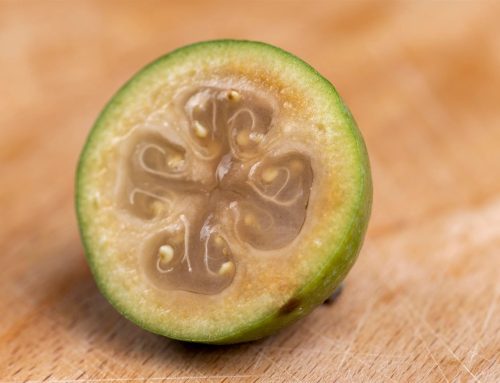
Feiolix is a whole fruit powder made from New Zealand feijoa, seeds and skin included, and its GLP-1 rationale is not a marketing analogy. Feijoa carries an unusually high concentration of abscisic acid (ABA), a plant signalling compound that has been shown in a published rat study to stimulate secretion of the body’s own GLP-1 from intestinal L-cells. Testing puts NZ feijoa’s ABA content at roughly six times that of fig and twice that of avocado, and Feiolix is standardized to more than 4.0 mg of ABA per 100 g.
A second, separate pathway described in the research runs through the gut microbiome: Feiolix’s dietary fibres (xyloglucans and xylans) may support the growth of Bacteroides species, which ferment them into short chain fatty acids (acetate and propionate) that trigger GLP-1 and PYY release via GPR signalling.
The ingredient itself has been tested in the FERDINAND study (Mohamed et al., Diabetes, Obesity and Metabolism, 2026), a randomised, double-blind, placebo-controlled trial run with the University of Auckland and the High Value Nutrition National Science Challenge. It enrolled 97 adults with overweight or obesity and prediabetes, who took 1,150 mg of Feiolix or placebo every day for 6 months, alongside a 2-month low energy diet and 4 months of weight maintenance. Feiolix did not change body weight or fasting glucose compared with placebo, because the weight-loss diet drove both. Systolic blood pressure was lower with Feiolix than placebo at 4 and 6 months, although that effect was not seen in participants with normal blood pressure at baseline, and the trial did not measure GLP-1, PYY or short chain fatty acids. Full detail is in the science behind Feiolix.
Formulation Considerations
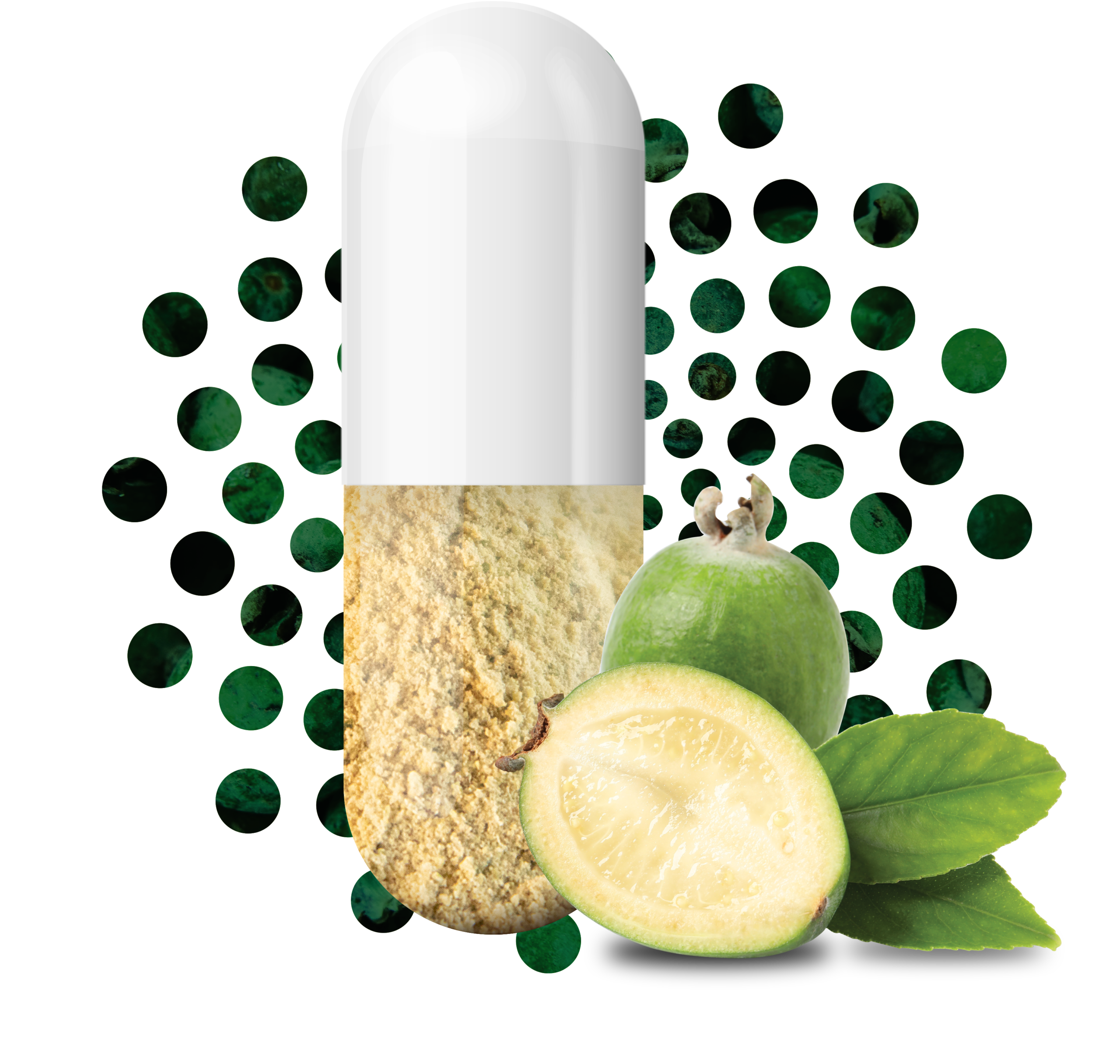
Feiolix has a growing body of evidence supporting its application across key areas of metabolic health. As a whole fruit powder rather than an isolate, Feiolix is supplied in a form suited to capsules, tablets, functional foods, and beverages, giving finished-product brands more format flexibility than a single-compound synthetic. The table below sets out how it compares mechanistically to a synthetic GLP-1 receptor agonist:
| Attribute | Feiolix | Synthetic GLP-1 agonist (e.g. semaglutide) |
|---|---|---|
| What it is | Whole feijoa fruit powder | Synthetic GLP-1 receptor agonist |
| Mode of action | Stimulates secretion of the body’s own native GLP-1 (via abscisic acid) plus a separate gut-microbiome/fibre pathway | Directly binds and activates the GLP-1 receptor |
| Format / dosage | Powder or tablet, taken daily (300 mg to 2,300 mg depending on health application) | Injection, typically weekly |
| Composition | Natural, whole fruit, standardized to over 4 mg abscisic acid per 100 g | Synthetic peptide |
| Availability | Dietary supplement, functional food, or beverage ingredient | Prescription only |
Sourcing and Traceability
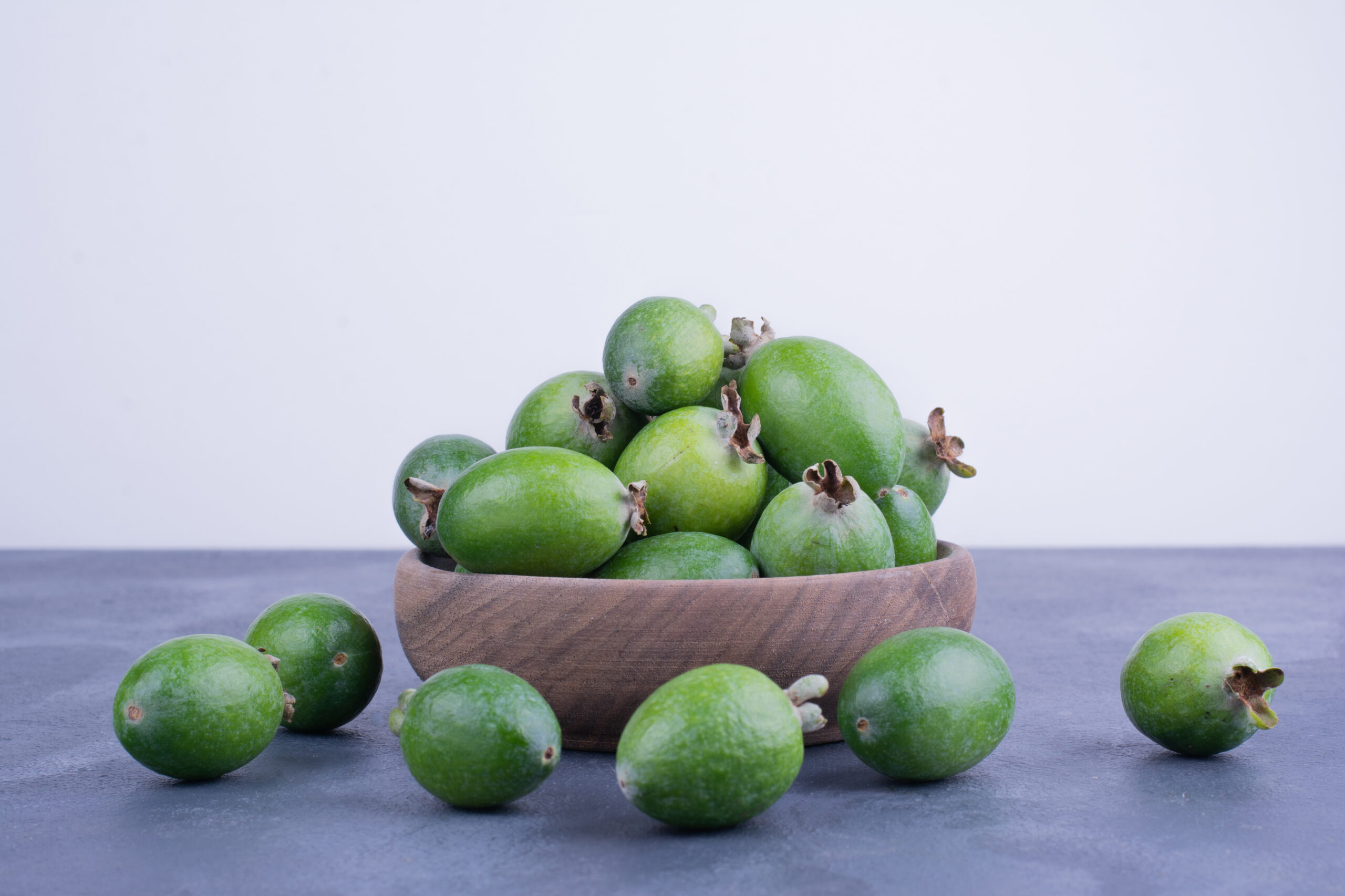
Feiolix is made entirely from New Zealand-grown feijoas (see feijoa the super fruit for the full ingredient background), freeze dried through Anagenix’s proprietary Target Bio-Lock process. That process is the reason the whole fruit approach matters for a formulation decision, not just a marketing story: freeze drying preserves up to 97% of the fruit’s nutritional value, rather than isolating a single compound and losing the rest.
For brands sourcing Feiolix for a formulation, or exploring supply for a wider portfolio of clinically studied New Zealand ingredients, Anagenix’s global distributor network is the starting point for supply and formulation inquiries.
Frequently Asked Questions
What makes Feiolix different from a synthetic GLP-1 ingredient?
Feiolix stimulates the body’s own native GLP-1 secretion through abscisic acid naturally concentrated in feijoa, plus a separate gut microbiome pathway from its dietary fibre. A synthetic GLP-1 agonist works by directly binding the GLP-1 receptor instead. Feiolix is supplied as a whole fruit powder available as a dietary supplement, functional food, or beverage ingredient, rather than a prescription-only injection.
What dose of Feiolix has clinical data behind it?
Feiolix has been evaluated across two key daily doses – 300 mg and 1,150 mg, supporting its development for a range of metabolic-health applications. In a six-month preclinical study, 300 mg/day showed efficacy for blood glucose and lipid markers. In the six-month FERDINAND randomised controlled human trial, 1,150 mg/day lowered systolic blood pressure compared with placebo, but did not significantly change fasting plasma glucose or body weight. A recently completed human study has also directly compared the 300 mg and 1,150 mg doses.
Is Feiolix backed by human clinical trials or only animal studies?
Both. Feiolix’s preclinical data includes a 6-month mouse study at 300 mg per day, and the ingredient has also been tested in the FERDINAND study, a randomised, double-blind, placebo-controlled trial in 97 adults with overweight or obesity and prediabetes, conducted with the University of Auckland over 6 months (Mohamed et al., Diabetes, Obesity and Metabolism, 2026). It reported lower systolic blood pressure with Feiolix than placebo, no significant difference in fasting glucose or body weight, and no GLP-1 mechanism data. Moreover, there is a recently completed human study that has also directly compared the 300 mg and 1,150 mg doses, evaluating metabolic parameters.
What formats can Feiolix be formulated into?
As a whole fruit powder, Feiolix is suited to capsules, tablets, functional foods, and beverages. It is freeze dried using Anagenix’s Target Bio-Lock process to preserve up to 97% of its nutritional value, and sourced entirely from New Zealand-grown feijoa.